Solar Installation Process: What to Expect When You Go Solar in Adelaide
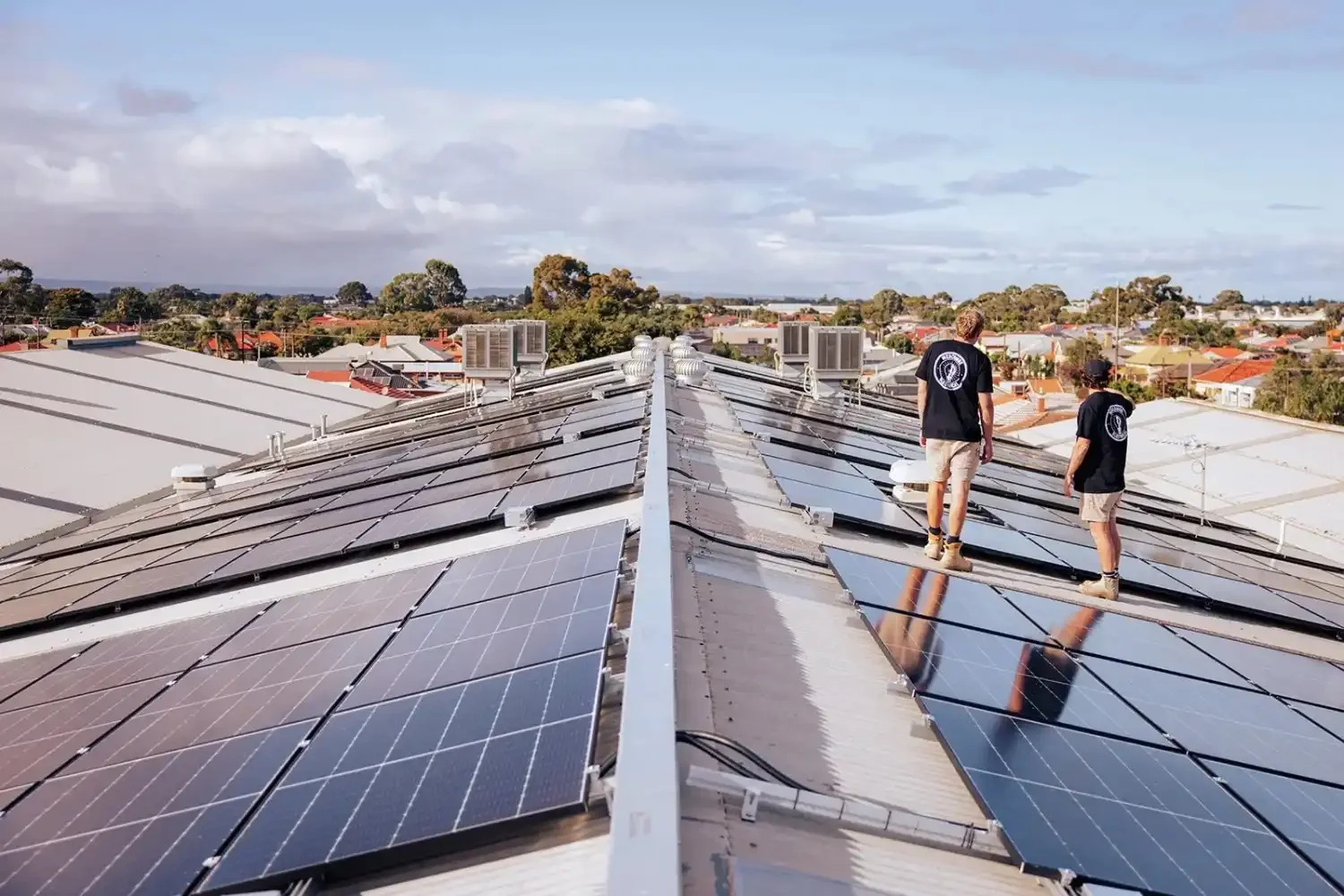
Switching to solar is one of the better long-term moves an Adelaide homeowner or business can make. The sunshine is reliable, power prices keep climbing, and South Australia still offers some of the best feed-in arrangements in the country. The catch is that most people have never been through a solar install before, so the steps feel a bit mysterious. After 13 years of fitting systems to Adelaide rooftops, our team at Wescombe Electrical can tell you the process is more orderly than it looks. Here is what actually happens from your first phone call through to the day your panels start generating power.
Step 1: Site Assessment and Energy Audit
The first thing we do is sit down with you, look over a year of electricity bills, and walk the property. We check roof orientation, pitch, available space, shading from trees or neighbouring buildings, and the condition of your switchboard. This visit usually takes under an hour and gives us the data we need to size a system that matches your real consumption. We often find older Adelaide homes still running ceramic fuses or split-load boards, which need a small upgrade before solar can safely tie in. There is no point recommending a 13 kW system to a household that only uses 18 kWh a day.
Step 2: Custom System Design and Quote
Back at the office, our team designs a system around what we saw on site. That covers panel layout, inverter selection, mounting hardware, and cable runs. In Adelaide, households that use most of their power after 3 pm often get better returns from a split north and west array, since west-facing strings deliver strong late-afternoon yield. You get a written quote with everything itemised, so there are no surprise add-ons later. We also talk through panel tier, inverter brand, monitoring options, and whether a battery makes sense for your usage pattern. Most clients spend a few days comparing this against another quote or two before signing off, which we genuinely encourage.
Step 3: Paperwork, Permits and SA Power Networks Approval
Once you accept the quote, we take over the admin. That includes the SA Power Networks (SAPN) connection application, federal Small-scale Technology Certificate (STC) paperwork, and any council approvals if your property is heritage listed or sits in a special zone. South Australia uses flexible export limits managed through a smart inverter, so the unit we propose must be on the SAPN-approved list, which we check before quoting. For residential systems under 10 kW, SAPN approval is usually quick. Larger systems and properties with existing solar can take a bit longer. This is the stage where partnering witha local Adelaide solar installation team pays off, because regional knowledge of SAPN quirks and inspection timelines saves weeks of back-and-forth.
Step 4: Installation Day

The physical install on a standard residential system takes one day. Our crew arrives early, sets up roof safety, mounts the racking, lays out the panels, runs DC cabling to the inverter, and ties the inverter into your switchboard. The technique shifts with roof type: Adelaide tile roofs need tile-replacement brackets fixed into the rafter below, while Colorbond and Trimdek roofs use clamps that seal into the rib without piercing the sheet. You are welcome to stay home while we work, but expect a short power interruption when we connect into the main switchboard. We clean the site before we leave.
Step 5: Inspection, Commissioning and Switch-On
A qualified electrician on our team commissions the inverter, runs safety tests, and verifies the system meets AS/NZS 5033 standards. An independent SAPN inspector then visits to certify the install. Once that sign-off comes through, your retailer reconfigures your meter so you can export excess power and earn a feed-in tariff. From the day of the install to the moment the system is generating revenue, the wait is usually two to four weeks. Our team keeps you posted at every checkpoint.
What Happens After Switch-On
We do not disappear once the system is humming. Our team monitors performance for the first month, walks you through the app so you can see real-time generation, and books in panel cleans or fault diagnostics as needed. Most tier-one panels carry a 25 year performance warranty and inverters a 10 year product warranty, so it pays to have someone local who can lodge a claim quickly if a unit drops out.
Ready to Make the Switch?
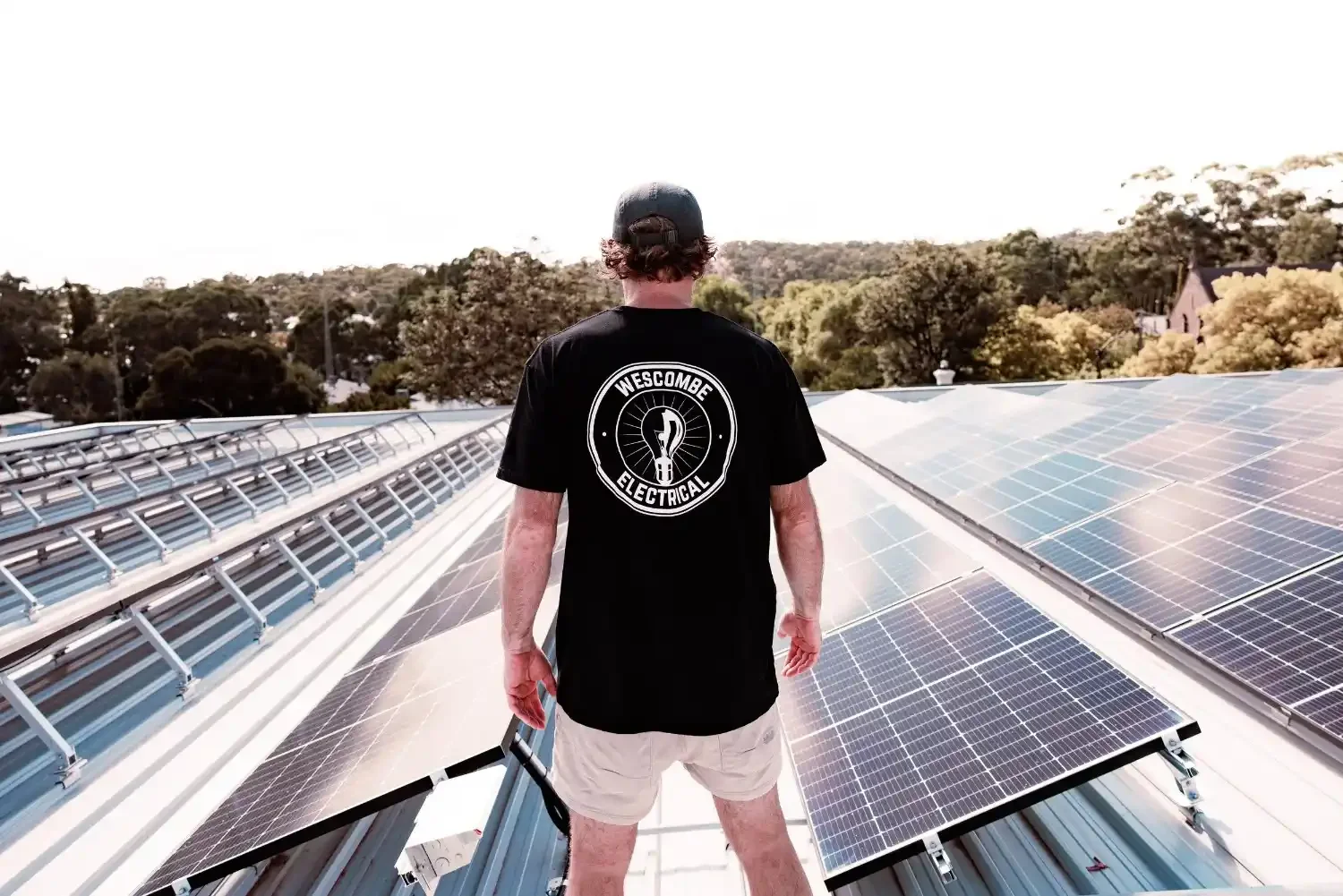
Going solar in Adelaide does not have to feel daunting. With the right team handling design, permits, installation and aftercare, the whole journey is genuinely smooth from start to finish. The hardest part for most people is just making the first call.
Want to know what a system would look like on your roof, and what the real numbers add up to?Get in touch with the Wescombe Electrical team for a no-obligation chat and a transparent quote tailored to your property.