Annual Solar System Maintenance Checklist for Adelaide Homes
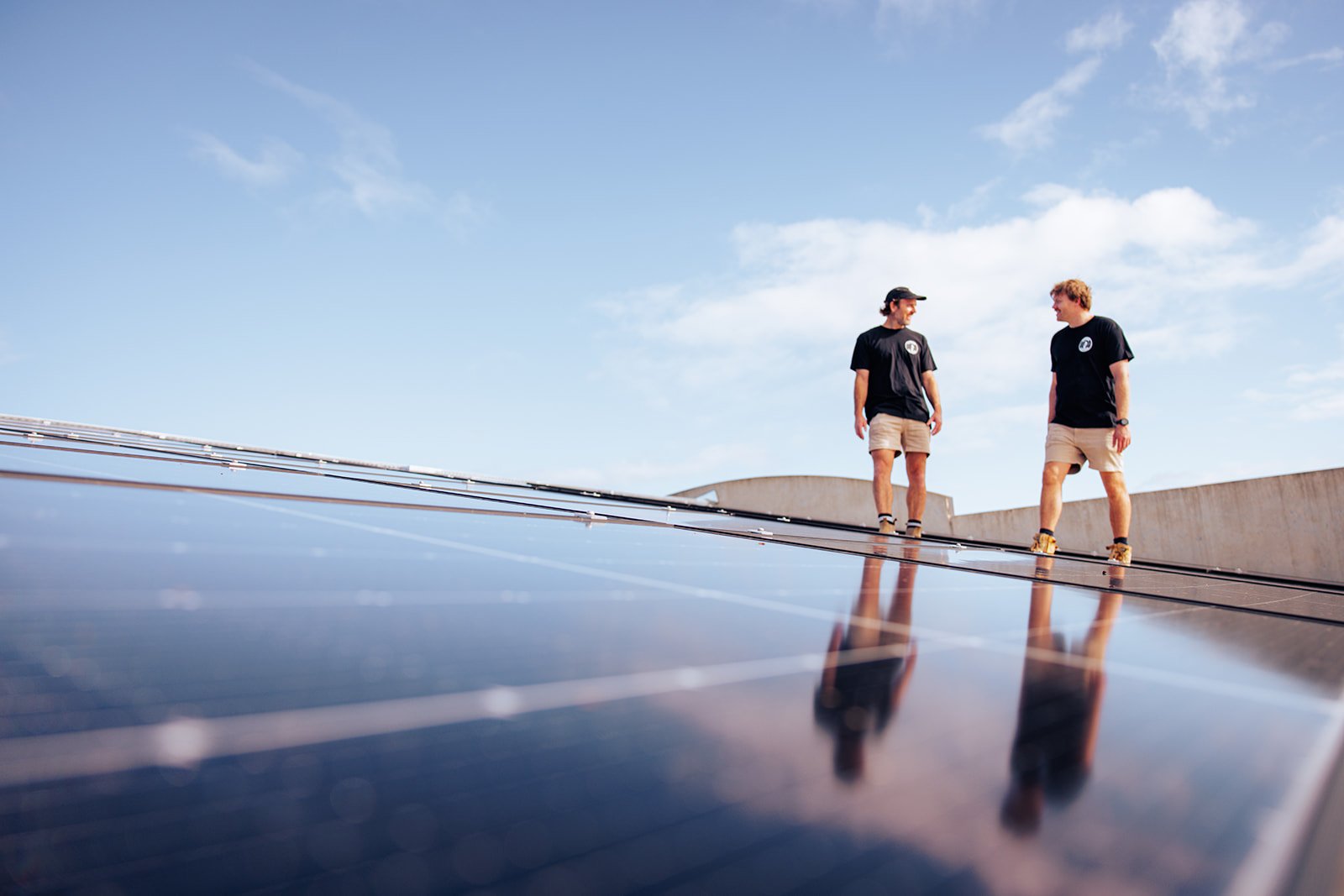
Your solar system is one of the best investments you can make for your home or business. In Adelaide's sunny climate, a well-kept system can shave hundreds off your power bills and keep working strong for 25 years or more. The catch? Solar panels aren't fully 'set and forget'. Dust, bird droppings, salt air around coastal suburbs like Seacliff and Henley Beach, and the odd summer storm all take a slow toll on output.
An annual check-up is the simplest way to keep your system performing the way it should. Drawing on our years servicing South Australian rooftops, here's a practical solar system maintenance checklist you can follow each year, along with notes on what's safe to do yourself and what's best left to a licensed electrician.
Why Annual Solar Maintenance Matters
South Australian weather throws a bit of everything at rooftop systems. Long hot summers, dusty northerlies off the plains, and salty breezes along the Gulf St Vincent all take their toll. The most common issues we find on yearly service calls are grime buildup reducing output and small cable faults that owners simply couldn't see from the ground.
Beyond energy savings, regular checks catch small faults before they turn into expensive repairs. Loose cabling, corroded DC connectors, or a struggling inverter are easier to fix when spotted early. Annual servicing also helps keep your manufacturer warranty valid, since most providers require proof of upkeep before approving a claim.
Your Annual Solar System Maintenance Checklist
Work through the following each year, ideally in late winter or early spring before the peak generation months.
1. Visual Panel Inspection
From the ground, use binoculars if needed to look over the panels. Check for:
✔ Cracks, chips, or cloudy patches on the glass
✔ Discolouration or scorch marks on the cells, often hot spots
✔ Bird nests or debris under the array
✔ New shade from growing trees or nearby builds
Any visible damage is a sign to stop and call a qualified solar technician rather than climbing up yourself.
2. Clean the Panels Safely

A light rinse with a soft broom and clean water often does the trick. Avoid harsh detergents, abrasive pads, or high-pressure hoses, as these can damage the anti-reflective coating, a mistake we see ruin efficiency regularly on callouts. For two-storey homes or steep roofs, a professional clean is the safer option. Coastal Adelaide properties may benefit from a clean every six months because of salt buildup, whereas inland homes usually do fine with a yearly wash.
3. Check Cables, Isolators, and Mounting
Scan what's visible from ground level. Cables should be neatly secured, not flapping in the wind or chewed by possums. Rooftop and switchboard isolator switches should be free of cracks and water ingress, a failure point we see often in ageing SA systems. Mounting brackets should sit flush with no rust or movement. If anything looks dodgy, don't touch it. Cabling and isolators carry high DC voltage and must be handled in line with AS/NZS 5033, so book alicensed solar installer in Adelaide.
4. Review Inverter Performance
The inverter is the workhorse of your system. Check its display or app for any fault codes, error messages, or red warning lights. Most modern inverters log performance history, so you can compare this year's output against last year's. A sudden drop above ten to fifteen percent usually points to a panel fault, new shading, or inverter problem.
5. Monitor System Output
If your system has a monitoring app or web portal, spend a few minutes scrolling through the data. Compare monthly generation against previous years in the same season. Consistent underperformance can point to shading, a faulty panel, or a microinverter issue that a technician can diagnose.
6. Check Your Documentation
Locate your installation paperwork, warranty certificates, and last service report. Having these ready makes any future claims or servicing much quicker.
When to Book a Professional Service

Industry guidance across Australia suggests a full professional inspection every one to two years, or yearly for homes in coastal or bushfire-prone areas. A qualified electrician, ideally one with Clean Energy Council accreditation, will carry out load testing, thermal imaging, isolator testing, and a full compliance check, none of which are suitable for DIY.
If your system is over five years old and has never been serviced, now is the time. Small faults left unchecked can shorten the lifespan of components and, in rare cases, create a fire risk.
Keep Your Solar System Working Its Best
A yearly check-up is a small task that protects a big investment. With a proper solar system maintenance checklist and the right support, your panels should keep paying you back for decades.
If you'd like Adelaide's trusted local team to handle the inspection, cleaning, and testing for you, Wescombe Electrical has been servicing South Australian homes and businesses for over 13 years. Get in touch today for a free quote or to book your annual solar service.Contact us here or call 1300 640 424.